What is transported?
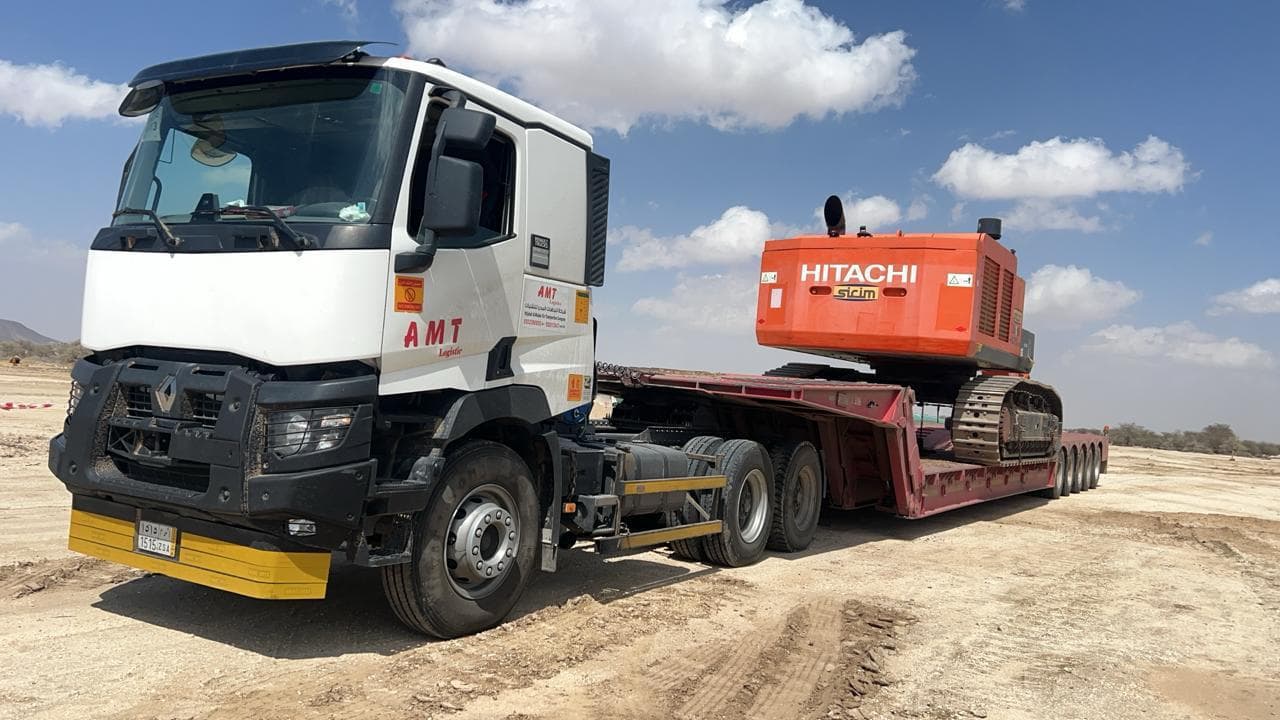
The service covers project machinery and heavy equipment moved between work sites, factories, and ports, such as excavators, cranes, bulldozers, loaders, and forklifts. Each machine is handled by its weight, dimensions, and loading method.
- Excavators and cranes
- Bulldozers and loaders
- Forklifts and construction machinery
Why do machines need specialized transport?
Heavy machines are wider and heavier than regular loads, and some have a high center of gravity. Transport on unsuitable vehicles can damage the structure or exceed legal road weights. A lowbed provides a suitable deck and securing that prevents movement in transit.
- Protecting the frame and booms from impacts
- Spreading weight over suitable axles
- Staying within legal weight and dimension limits
Data needed before pricing
The machine name alone is not enough for pricing. We need data that allows selecting the right lowbed and confirming the price after review.
- Machine type and model when available
- Weight and dimensions (length, width, height)
- Machine condition (operational or needing a tow)
- Pickup and delivery locations
- Photos and required date
Loading and securing
The machine is loaded using a crane or ramps depending on site readiness, then secured with suitable chains and straps at dedicated securing points, considering the center of gravity and clearance while driving on and off.
- Confirming the loading method available on site
- Securing at dedicated points
- Checking clearance during loading and unloading
Lowbed selection
Configuration depends on weight, dimensions, and route. Trailer types are classified on the fleet page by axles and approximate capacity to ease comparison before final data is sent.
- Reviewing trailer classifications and capacities
- Confirming selection against machine data
- Sending final details for approval
Execution stages
Every request follows clear steps from data submission to delivery, with each stage reviewed against the load and route.
- Sending machine details
- Reviewing weight, dimensions, and route
- Selecting the lowbed and equipment
- Loading, transport, and delivery