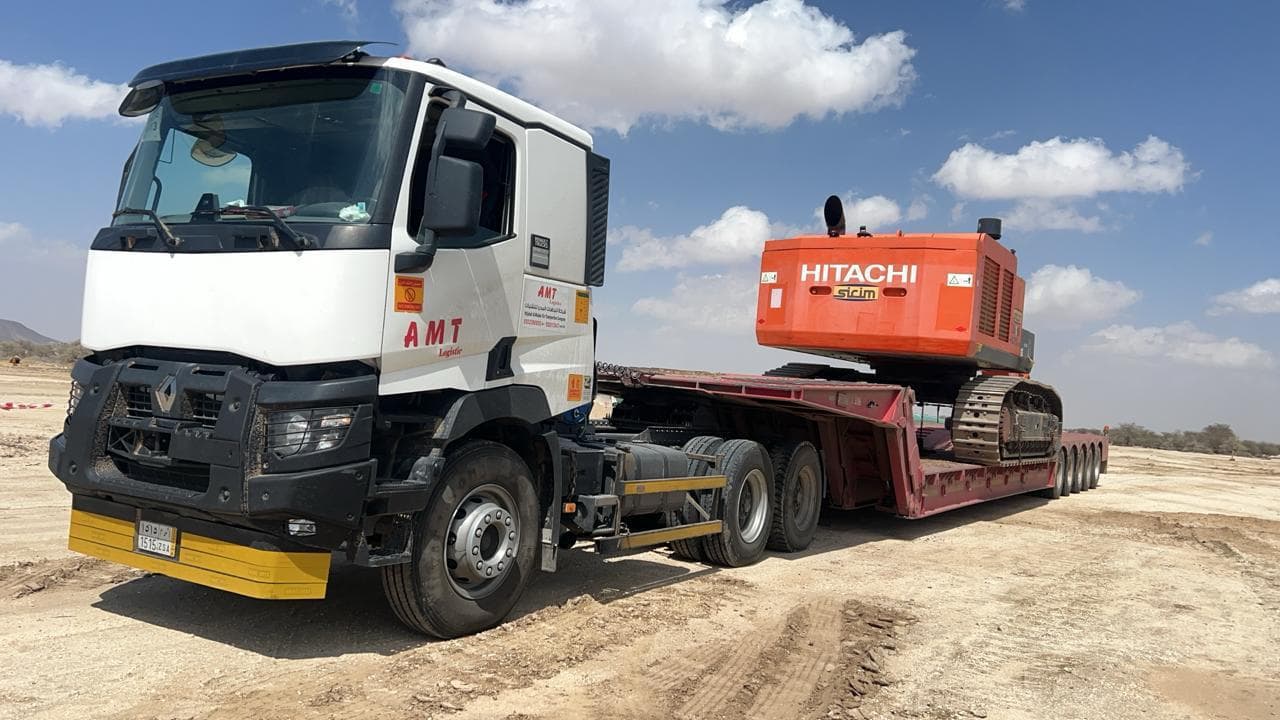
excavator transport image for Excavator Transport by Lowbed by AMT Logistics

Common equipment that needs accurate data

Excavator Transport by Lowbed

Excavators vary widely by model, boom, and attachments. Trailer selection follows weight, dimensions, and operating condition.

Load reviewWeight, dimensions, and routeRoute planningPermits and site accessLoading and securingBy cargo type
excavator transport image for Excavator Transport by Lowbed by AMT Logistics

Required excavator data

The best starting point is a spec plate photo and clear side photos of the machine and attachments.

  • Model
  • Operating weight
  • Boom length
  • Track width

Suitable lowbed type

A 3-axle, 4-axle, or hydraulic lowbed may suit depending on weight, height, and route.

  • Weight band
  • Machine height on deck
  • Ground clearance
  • Operating condition

Quick Summary

Dimensions
Vary by boom, attachments, and how the machine is positioned on the trailer.
Loading
Can be self-loading if operational, or may need winch/crane support if disabled.
Securing
Reviewed by tie-down points, chains, and center of gravity.

Required Data

  • Spec plate photo
  • Weight
  • Dimensions
  • Operating condition
  • Pickup site
  • Delivery site

Excavator transport by lowbed with weight, dimensions, ground clearance, and securing points reviewed before pricing.

Request review and pricing

Page FAQ

Answers tied to this topic

Review the key questions before sending load and route details.

Can a disabled excavator be moved?

It can be reviewed and may require a winch, crane, or special loading setup.

Does the boom affect pricing?

Yes. Boom and attachments can change length, height, and securing method.

Next Step

Send load details for a sharper recommendation

Weight, dimensions, and route determine trailer type, permits, and expected timing.

Request a quote