What is transported?
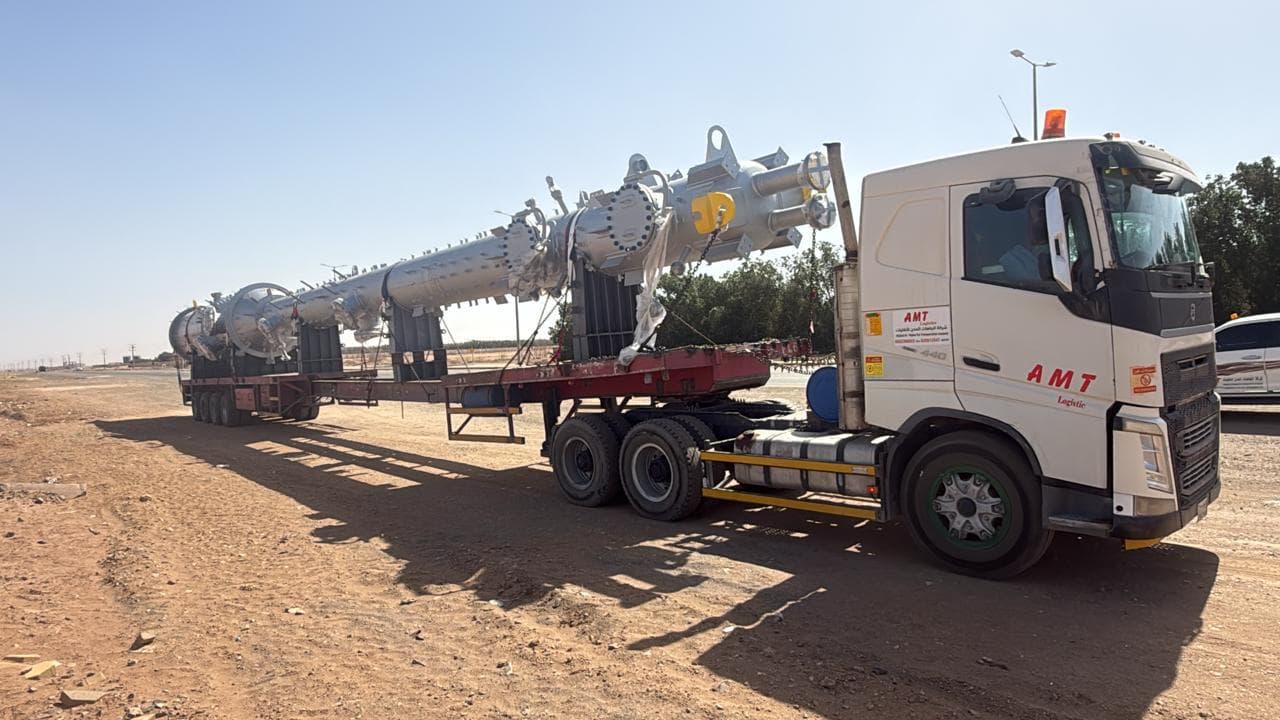
The service covers industrial tanks, water tanks, and large fabricated tanks moved to factories, infrastructure projects, and oil and gas sites, in a safe transport position based on tank shape and specification.
- Industrial tanks for factories
- Water tanks and treatment plants
- Pressure tanks and site equipment
Why do tanks need specialized transport?
A cylindrical body is prone to rolling and shifting if not secured correctly, and the weight is concentrated in a single unit. A suitable deck and securing points that prevent movement are required.
- Preventing rolling in transit
- Spreading weight over the axles
- Protecting the tank body from impacts
Data needed before pricing
Sufficient data is needed to determine the transport position, select the trailer, and estimate the price.
- Tank dimensions (length and diameter)
- Actual weight
- Material and outer surface condition
- Available securing points
- Pickup and delivery locations
Loading and securing
The tank is lifted with a crane or suitable lifting equipment with the lifting weight reviewed, then secured on the trailer with supports and securing points that prevent rolling and lateral movement.
- Reviewing lift weight and crane availability
- Securing that prevents rolling
- Supporting the body at load points
Trailer selection
The deck and vehicle are chosen by tank weight and dimensions; options include lowbeds and flatbeds of different capacities after study.
- Comparing fleet configurations
- Selecting by weight and dimensions
- Confirming selection after review
Execution stages
The request starts with tank data review, then loading, transport, and delivery, with permits reviewed when required.
- Reviewing tank data
- Selecting the right configuration
- Loading and securing
- Transport and site delivery